


Ayurvedic Research Work: Shortcomings and Solutions

Any research work becomes valid and widely accepted when it is published in peer review journals. Documentation and publication of research findings is the main issue faced by Ayurveda in the global arena. During last two decades, use of Ayurveda

By Team Ayurved Sutra Posted on

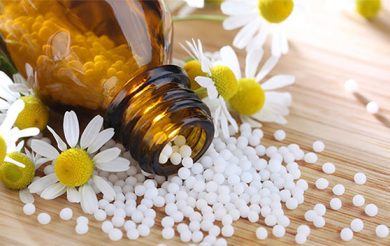
Homoeopathy Education in India and Challenges

The word Homoeopathy is derived from Greek words ‘Homoeo’ meaning similar and ‘Pathos’ meaning suffering. The system was invented by Dr Christian Friedrich Samuel Hahnemann (1755-1843), a German physician, pharmacist and author, born in Meissen, Germany who had become dissatisfied

By Prof. Dr. Gautam Ash Posted on

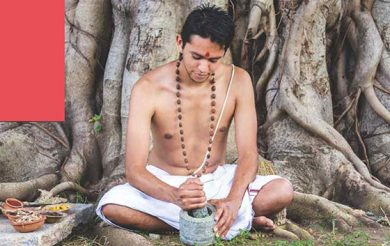
Benchmarks in the Training of Ayurveda Students

Vedic medicine, considered one of the oldest systems of medicine in the world, was developed in India during the period 2000-1000 B.C. The seers of ancient India used their observation, experience and natural resources to develop a unique system which

By Team Ayurved Sutra Posted on

Explore Multi-dimensions of Yoga

He surrendered himself to Yoga at the tender age of 12. Yoga not only helped him in overcoming his physical weakness, but enhanced his concentration levels like never before. ‘Yoga’ was not on his mind until his Yoga teacher pushed

By Dr. Ishwar V. Basavraddi Posted on

Ozone Therapy: Administering Ozone to Treat

Ozone therapy refers to the process of administering ozone gas into your body to treat a disease or wound. Ozone has three atoms of normal oxygen which is present in the atmosphere. The isolated oxygen is compressed, it is converted

By Team Ayurved Sutra Posted on

Psychosomatic Disorders: Yoga and Ayurveda Perspective

The individual consciousness comprises of 5 layers called Panchkosha, they are annamaya kosha (physical body), Pranamaya kosha (vital sheath), manomay kosha (mind), vigyanamaya kosha  (Intellactual body) and Anandamaya kosha (causal body). The advancement in the technology has made our life

By Team Ayurved Sutra Posted on